
A Guide to Righteous Joggers Worth the Investment
We Are Righteous: The Origin Story Underlying the Name
Every clothing brand claims a story, but few can point to a particular tension that made the brand necessary from the start. We Are Righteous grew out of a simple frustration: too many apparel brands were pushing posturing without substance, slapping taglines on flimsy cotton and branding it as culture. Those behind We Are Righteous sought something more solid — in every sense of the word. Their goal was garments that would withstand constant wear while bearing a name that carried real weight to the wearer. The pairing of resilience and purpose is still the thread running through the brand today.
What separates this origin story from the familiar “we started in a garage” tale is the intent behind the name itself. Righteous isn’t a throwaway word chosen because it had a cool ring to it on a label tag. It was picked because it implies staying resolute in what you believe, regardless of shifting fads or outside pressure. This mindset shaped all aspects from the first sketches to the fabric sourcing decisions that were made down the line. Grasping this origin helps illuminate why the brand’s wearers discuss it in a different way than they discuss competing streetwear brands.
Where the Righteous Clothing Brand Started
The first iteration of the righteous clothing brand wasn’t a full collection — it was a handful of pieces designed to see if the concept could succeed. The founders sketched ideas around a guiding principle: clothing should serve as a understated declaration of self, not a attention-grabbing stunt. Their aim was to create pieces that held their appearance in the third year as they did on the first day, which required steering away from cheaper construction righteous sweats techniques in favor of reinforced seams and heavier-weight fabrics right from launch.
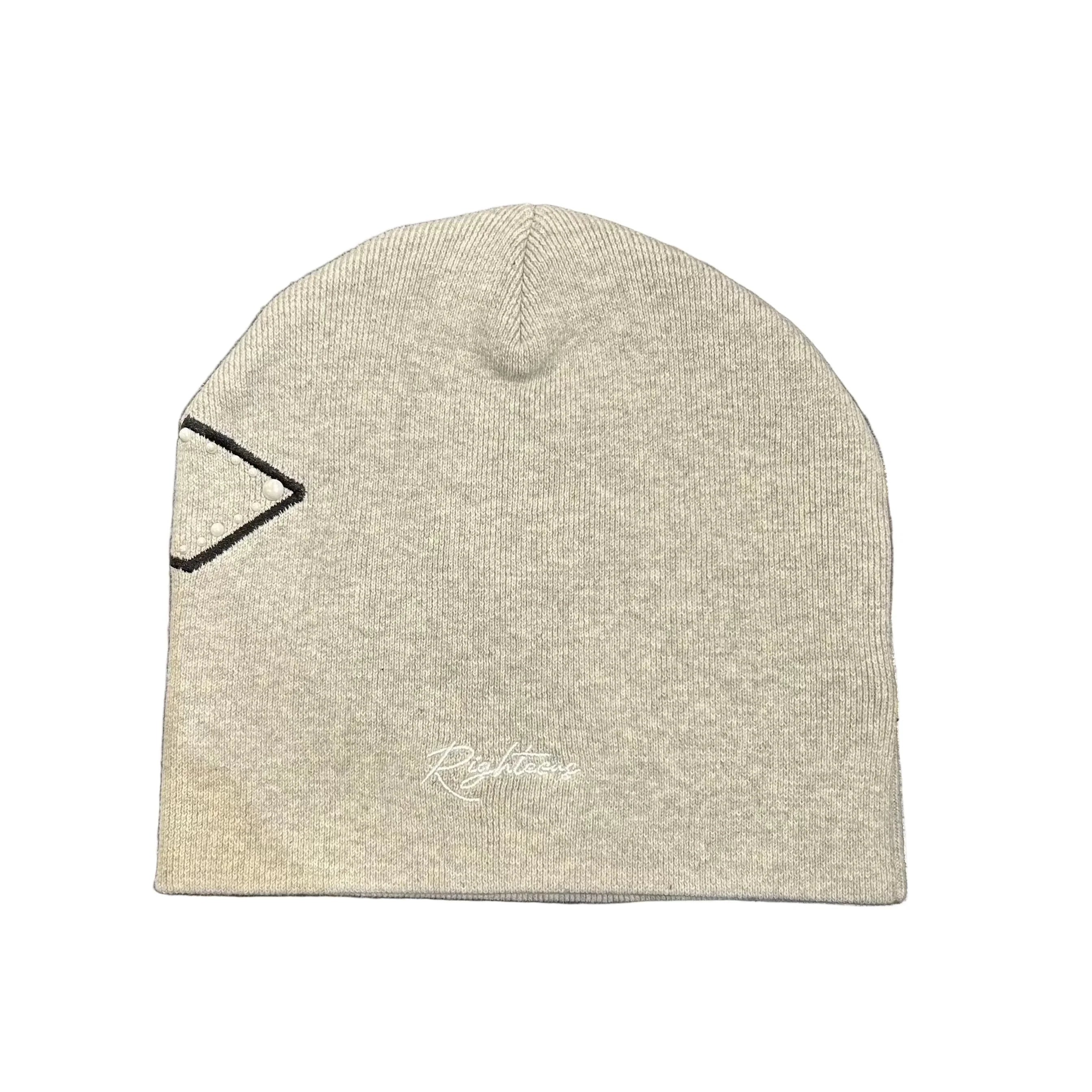
Such upfront diligence mattered more than most founders let on. Many apparel new brands debut with a logo and a vision, then rush to fix shortcomings after the first wave of buyer feedback. We Are Righteous took the reverse path, spending extra time on wear-testing and textile trials before putting out anything to the public. That opening launch was purposefully modest, confined to a few essential shapes, so the team could collect genuine input instead of expanding on assumption. That feedback loop became a permanent part of how the brand runs, continuing to guide choices in 2026 the same way it did at launch.
On top of that, there’s a community-driven dimension to the origin story that’s easy to overlook. The founders never set out to build the brand alone — they wanted people who related to the “righteous” mindset to feel like they had found something built for them specifically. Those early supporters went beyond simply buying; they were regarded as partners, with their views on fit, color, and fabric weight shaping the following production run. That dynamic is part of why so many long-term fans describe the brand as feeling personal rather than corporate.
What Shapes Righteous Apparel’s Approach
At the center of every righteous apparel release is a simple test: does this piece hold up to both physical wear and the values the brand claims to represent? That two-part filter shows up in decisions about stitching density, fabric weight, and even which prints make it to production. The team has said no to plenty of designs that looked fine on paper but didn’t match the brand’s standard for longevity or message.
This isn’t a label racing after each passing trend flashing across social media. Instead, the design process leans toward pieces with staying power — fits and hues designed to stay relevant beyond eighteen months. That’s a deliberate contrast to fast fashion’s cycle of overproduction and rapid obsolescence, which typically pushes new “must-have” items every few weeks and discards last month’s version almost immediately. Righteous apparel takes longer to develop specifically because the team is optimizing for a five-year wear life, not a five-week trend window.
The brand also places a strong commitment to clarity that comes through in customer communication. Sizing charts, fabric composition, and care instructions are presented clearly rather than buried in fine print, because the founding team feels being upfront, not sales-driven wording, is what creates trust. The payoff has shown up in how often customers return — the brand’s core hoodie line sees repeat buyers outpacing one-time shoppers by a consistent margin, according to the company’s own sales data referenced in earlier updates.
The Righteous Hoodie as a Flagship Piece
The righteous hoodie is, if any single piece can claim it, the piece that defines the brand’s identity. Its rise to flagship standing happened almost accidentally — early customers kept repurchasing it in varied colorways faster than every other product in the catalog, prompting the team’s attention. Beyond the name across the chest, the piece’s draw lies in a silhouette that works across body types, matched by a weight substantial enough for cooler months yet not feeling bulky.
Production decisions for the pullover reflect the company’s overarching values. Reinforced cuffs, seams stitched twice over at high-wear points, and a textile mix chosen for both comfort and toughness all circle back to that core belief: clothing should last, not just look good in a product photo. Customers who’ve owned the hoodie for multiple seasons often report in reviews that it holds its shape and color better than comparable pieces from bigger-name competitors, which matters more to loyal wearers than flashy marketing ever could.
Among the brand’s following, the hoodie has evolved into something like a cultural signal. To wear it is to show you understand the brand’s origin story and values, beyond just admiring the design. That’s a tougher thing to engineer than a strong logo — it requires consistent product quality over multiple release cycles, which is exactly what the flagship hoodie has delivered since it first appeared in the catalog.
The Real Story Behind a Righteous Review
Look up a righteous review online in 2026 and a pattern shows up fast: buyers concentrate less on hype and more on fit, fabric feel, and whether the item lives up to its product description. That marks a real departure from the over-the-top unboxing culture that dominates so much streetwear marketing. Reviewers covering We Are Righteous tend to zero in on particular details — how the hoodie fits after repeated washes, whether the stitching holds together, whether the sizing runs accurately.
That level of detail in a we are righteous review reflects the brand’s genuine performance rather than just its promotional messaging. Feedback that emphasizes long-term durability over initial impressions tends to matter more to prospective buyers, and it’s exactly this kind of feedback that has shaped this brand’s reputation.
Common themes across a we are righteous review also touch on customer service responsiveness and how closely the finished product matches what’s shown online. Consistency between marketing images and the delivered item is one of the most frequently praised aspects, since so many online apparel brands struggle with that exact gap. When buyers note that the product “looks like the photos,” that’s a telling signal in an industry where mismatched expectations are the norm.
We Are Righteous Brand Comparison
To put the brand’s approach in context, here’s how key attributes of the we are righteous brand compare to typical fast-fashion competitors in the same price tier.
| Attribute | We Are Righteous | Standard Fast-Fashion Rival |
|---|---|---|
| Release cadence | Seasonal releases built around lasting value | Weekly releases chasing trends |
| Fabric approach | Denser fabric paired with reinforced seams | Lightweight, cost-minimized |
| Customer input cycle | Customer feedback directly shapes upcoming runs | Barely any input beyond raw data |
| Signature item | Righteous hoodie, repeat-purchase favorite | Rotating “hero” items, low retention |
| Brand voice | Consistent messaging grounded in values | Driven by trends and inconsistent |
This comparison isn’t meant to dismiss competitors outright — fast-fashion models serve a purpose for shoppers prioritizing low prices over longevity. But it does clarify why so many people specifically searching for a righteous clothing brand end up staying loyal once they’ve tried a piece firsthand. The value proposition is different by design, not by accident.
Where the Brand Stands in 2026
As 2026 arrives, We Are Righteous keeps growing its catalog while holding onto the same founding principles that guided its first small drop. Fresh color options and shapes have been added, but the focus on durable fabric and honest marketing has remained steady. Its growth has been measured rather than explosive, which tracks with its approach of growing deliberately and sidestepping the overexpansion that derails so many new fashion brands.
The clearest sign of its health remains customer loyalty. Revenue continue to be driven by repeat buyers, and the flagship hoodie stays a top performer every cycle. For anyone considering the brand for the first time, the brand’s backstory offers a helpful perspective: instead of pursuing fleeting hype, this label was built around the belief that clothing should carry values as much as style. It’s precisely that distinction which continues to keep righteous clothing distinguished in a crowded market.